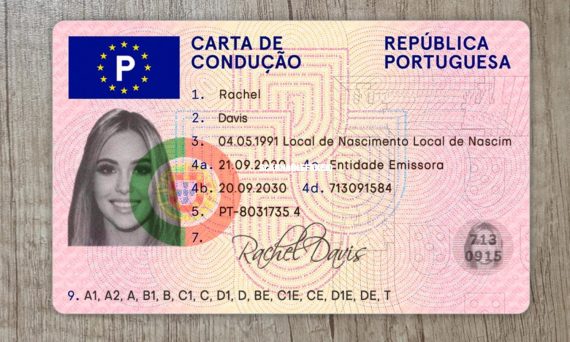
Driving License Requirements: A Comprehensive Guide
Obtaining a driving license is a fundamental action for numerous people, approving them the capability to run a motor automobile lawfully and browse their surroundings more independently. Nevertheless, the requirements for getting a driving license can differ considerably from one country or region to another. Comprehending these requirements is essential for potential chauffeurs. Agência De Prova De Condução will dive into the driving license requirements and outline the typical steps included in getting a license, along with typical questions and risks to prevent.
Kinds Of Driving Licenses
Before diving into the requirements, it is important to comprehend the various kinds of driving licenses typically provided throughout jurisdictions. These can consist of:
- Learner's Permit: A provisionary license allowing new drivers to practice under particular conditions.
- Complete (or Unrestricted) License: The standard driving license enabling the holder to drive separately without constraints.
- Industrial Driver's License (CDL): Required for motorists running business vehicles, such as trucks and buses.
- Bike License: A specialized license for operating motorbikes.
The specific requirements for these various licenses will vary, but they generally follow similar structures.
General Requirements for Obtaining a Driving License
Age Requirements
One of the primary requirements for acquiring a driving license is the candidate's age. Most jurisdictions set a minimum age for obtaining different types of licenses:
| License Type | Minimum Age |
|---|---|
| Student's Permit | 15-16 years |
| Complete License | 18-21 years |
| Commercial License | 18-21 years |
| Motorbike License | 16-18 years |
Documents
When making an application for a driving license, the candidate must present several crucial documents. Although the specifics can vary, typical documents requirements include:
- Proof of identity (e.g., passport or birth certificate)
- Proof of residency (e.g., utility expense or lease contract)
- Social Security number or comparable
- Adult authorization type (for minors)
- Completion paperwork from chauffeur education courses (if relevant)
Examination Requirements
To get a driving license, applicants generally need to pass both a written and a practical driving exam. The written exam tests understanding of traffic laws and safe driving practices, while the useful examination assesses driving skills in genuine traffic circumstances.
Secret Components of a Driving Test
- Composed Examination
- Traffic laws
- Road indications
- Safe driving practices
- Practical Driving Test
- Car managing
- Following traffic signals
- Parking maneuvers
- Navigating through intersections
Charges
Normally, applicants must likewise pay a series of fees throughout the application process, which can incorporate:
- Learner's license charge
- License application charge
- Testing costs
- Renewal fees (for future renewals)
Steps to Obtain a Driving License
The process for getting a driving license typically includes the following steps:
- Research Local Requirements: Familiarize oneself with the particular requirements in your jurisdiction.
- Acquire a Learner's Permit: Complete the necessary documents and tests to obtain a student's authorization if suitable.
- Total Driver's Education: Consider registering in a driver education program-- this is typically compulsory for younger candidates.
- Practice Driving: Accumulate the necessary variety of monitored driving hours.
- Set up and Pass the Written Exam: Prepare for and pass the composed driving test to acquire the learner's or provisionary license.
- Arrange and Pass the Practical Driving Test: After fulfilling the practice requirements, take and pass the practical driving evaluation.
- Pay Required Fees: Pay any associated costs for the license.
- Get the Driving License: Once all steps are completed successfully, the license is issued.
Frequently Asked Questions About Driving License Requirements
Q1: Can I drive with a learner's permit?A1: Yes, however normally you must be accompanied by a licensed chauffeur and follow specific restrictions, such as driving only throughout daylight hours. Q2: What if I fail the driving test?A2: Most jurisdictions permit you to retake the driving test after a waiting period, though policies may vary, including additional fees. Q3: Are online driving tests available?A3: Some regions may provide online testing choices for the composed test, however it is essential
to inspect the specific rules for your jurisdiction. Q4: How long is a driving license valid?A4: Most driving licenses are valid from 4 to 10 years, depending upon local guidelines, after which they need to be restored.
Q5: Do I require to pass a vision test?A5: Yes, a vision test is normally required as part of the license application process to make sure that drivers can see adequately.
Understanding the driving license requirements is
the first step for anybody looking to drive legally and securely. By navigating the steps detailed above and guaranteeing that all necessary documents,
examinations, and costs remain in order, prospective chauffeurs can effectively obtain their driving licenses. As constantly, prospects must examine their local regulations for the most accurate and in-depth details. This extensive method not just benefits the individual however also adds to roadway safety for everybody.